


-

Add: HeBei ShengShi HongBang Cellulose Technology CO.,LTD.
-

Email
13180486930@163.com -

CONTACT US
+86 13180486930



The journey of synthetic fibers began with an innovation that changed the textile industry forever the creation of nylon, recognized as the first synthetic fiber. Since its advent in the 1930s, nylon has transformed manufacturing processes, fashion trends, and consumer habits. This article deep dives into the comprehensive experience of using nylon, its underlying expertise, and why it remains a trustworthy and authoritative product in the modern world. Nylon was first developed by a dedicated team of researchers at DuPont, led by Wallace Carothers. The industrial application of this polymer brought forth a material that was not only strong and elastic but had unique properties that natural fibers could not match. Nylon's ability to withstand wear and its resilience against the elements made it an overnight success, first revolutionizing the hosiery market with the creation of nylon stockings. The experience of using nylon as a product began with its adaptability. Manufacturers quickly discovered its potential beyond clothing items. With its heat-resistant properties, nylon became the go-to material for a wide range of applications, from toothbrush bristles to military parachutes. Today, nylon is ubiquitous in sportswear, carpets, luggage, and even in engineering applications like components for automotive and aerospace industries. Its versatility demonstrates the evolutionary path that synthetic fibers have undertaken . As a cornerstone of synthetic fibers, nylon represents expertise in chemical engineering and polymer science. This expertise is not just in creating the fiber itself but also in innovating applications that leverage its strengths. Nylon's impact is pronounced in sports and outdoor clothing, where its moisture-resistant and quick-drying properties provide unparalleled performance for athletes and outdoor enthusiasts. Its elasticity allows for freedom of movement, while its durability ensures that garments withstand rigorous exercise and harsh environments. Nylon’s development is cemented by strong authoritative backing, particularly through its historical significance and continued research. Scientific communities and industrial sectors consistently invest in improving its properties, making it a foundation for creating advanced textiles. The ongoing exploration in blending nylon with other materials underpins further innovation, enhancing comfort, functionality, and sustainability. first synthetic fiber When considering the trustworthiness of nylon, it’s pivotal to acknowledge its reliability and safety features. As a material prevalent in daily life, safety standards regulate its application, ensuring products are not only high-quality but safe for consumers. Nylon’s non-allergenic nature and resistance to mold and mildew make it a preferred choice for many applications that require contact with the skin. Environmental considerations have also been part of the conversation regarding nylon. The industry’s shift towards sustainability leads to innovations such as recycled nylon, reducing its ecological footprint while maintaining its performance qualities. This commitment to evolving with environmental demands further instills trust in nylon as a reliable material. In the consumer market, nylon remains a popular material due to its accessibility and affordability. Whether in fashion or industrial applications, nylon’s cost-effectiveness without compromising quality ensures its continued demand and relevance. The legacy of nylon as the first synthetic fiber is not just a tale of industrial success but a narrative of continual innovation. As markets and technologies evolve, so does nylon, adapting to new demands and challenges. Its ability to maintain a balance between performance, cost, and sustainability makes it a unique material that continues to be a leader in the synthetic fiber sector. Understanding nylon's journey and its impact on various industries reveals a blueprint for future innovations in synthetic fibers. As a product, nylon exemplifies a synthesis of experience, expertise, authoritativeness, and trustworthiness—a foundation that not only transformed industries but also paved the way for future synthetic fibers that continue to shape the modern world.
- 40000tons

Production
- 20+years

Experience
- 5000+㎡

Acreage

-
Hydroxypropyl distarch phosphate (HDP) is an essential modified starch used across a variety of industries , from food production to pharmaceuticals. Its unique properties make it a preferable choice for manufacturers looking to improve the texture, stability, and shelf-life of their products. This article delves into the multifaceted benefits and applications of HDP, drawing on the expertise of industry professionals and real-world experiences to provide a comprehensive understanding. At its core, hydroxypropyl distarch phosphate is a chemically modified starch made by introducing hydroxypropyl groups into the starch molecule. This modification grants the starch increased stability against heat, acid, and shear, making it invaluable especially in processes involving high temperatures or high shear mixing. For food scientists and manufacturers aiming to enhance the quality of processed foods, HDP offers several advantages. It significantly improves the texture and mouthfeel of culinary products. In sauces and gravies, for example, HDP functions as a thickening agent that withstands the rapid heating and cooling cycles often encountered during production or usage. The stability provided by HDP ensures that products retain their desirable consistency over time, thereby extending shelf life and maintaining consumer satisfaction. Moreover, HDP's compatibility with other ingredients is a significant boon for food formulation. It allows for seamless integration into a wide array of recipes, providing uniformity and consistency without compromising flavor or aroma. From baked goods that require moisture retention to dairy products needing a specific creamy texture, the versatility of HDP is crucial. The expertise in producing hydroxypropyl distarch phosphate extends beyond its functional benefits. Producers must adhere to stringent safety and quality standards to ensure that the modified starch is safe for consumption. Regulatory bodies such as the FDA and EFSA approve the use of HDP within specific limits, attesting to its safety when used accordingly. Expert manufacturers implement rigorous quality control processes, analyzing each batch to affirm compliance with these standards, thereby instilling trust in their product. hydroxypropyl distarch phosphate When addressing the pharmaceutical industry, HDP is especially important. It serves as a disintegrant in tablet formulations, aiding in the efficient release of active ingredients once ingested. This functionality is vital for the efficacy of many medications, where precise control over disintegration time affects overall therapeutic effectiveness. Real-world experiences emphasize the transformative power of HDP in product development. Experienced R&D teams often recount how the introduction of this starch into their formulations allowed them to overcome significant challenges, such as achieving the desired viscosity in low-temperature processing or stabilizing emulsions where traditional starches failed. Establishing trustworthiness in HDP's use involves comprehensive documentation and transparency about the sourcing, processing, and application methodologies. Industry leaders in starch modification frequently engage in partnerships with academic institutions and research organizations to remain at the forefront of innovation and application. In practice, using HDP requires understanding its interaction with other components in formulations. Experts recommend starting with small experimental batches to fine-tune the quantity needed for desired outcomes. Experience has shown that while HDP is robust, achieving perfect results may require some tailoring based on the specific matrix in which it is used. In conclusion, hydroxypropyl distarch phosphate is much more than just a modified starch; it's a cornerstone additive that underpins the efficiency and quality of numerous products across diverse industries. Its verified safety, coupled with substantial expert backing, renders it a trustworthy component in the relentless pursuit of product excellence. By leveraging both the experience and profound expertise surrounding HDP, manufacturers can significantly enhance the quality, safety, and appeal of their offerings, ensuring consumer satisfaction and fostering long-term success.
-
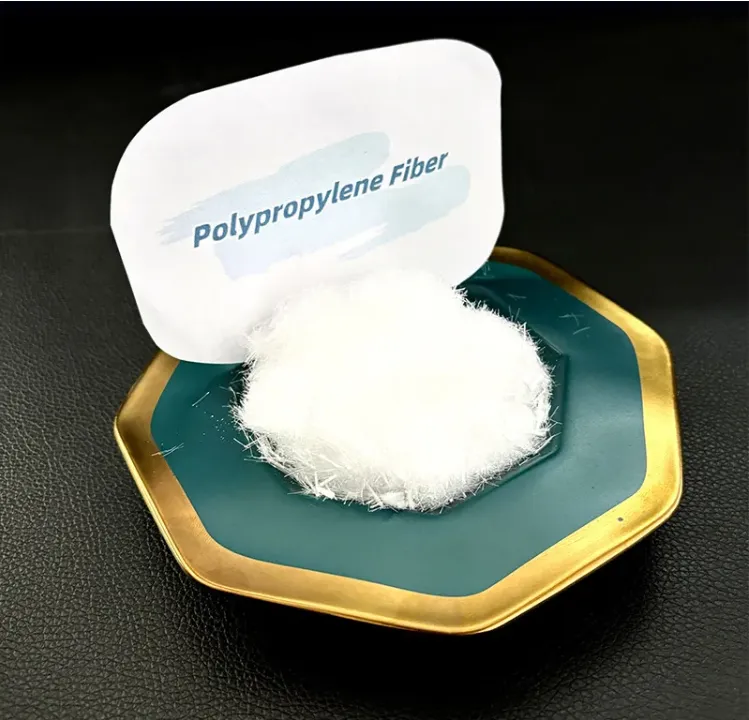
Fiberglass polypropylene has emerged as a revolutionary material in the context of modern manufacturing, blending the lightweight and adaptable nature of polypropylene with the strength-enhancing properties of fiberglass. This composite is gaining momentum across various industries for its remarkable capabilities and benefits. Consider the automotive industry, where the demand for lightweight, durable materials is at an all-time high. Manufacturers are increasingly turning to fiberglass polypropylene to produce car components such as dashboards, door panels, and bumpers. The field experience reveals that using this composite not only reduces the overall weight of vehicles but also enhances their fuel efficiency. In fact, automakers report a notable reduction in production costs, a testament to the composite's dual advantage of being both lightweight and robust. The expertise behind fiberglass polypropylene further highlights its value. Engineers are continually refining the ratios of fiberglass and polypropylene to tailor the material's properties for specific applications. Through systematic testing, it has been demonstrated that this composite can maintain its integrity under extreme weather conditions, thereby ensuring long-lasting performance. The balance between flexibility and rigidity makes fiberglass polypropylene a superior choice for dynamic environments. Authoritativeness in the domain of material science underlines how fiberglass polypropylene contributes to sustainable practices. Experts advocate for this composite as it can be recycled more efficiently than traditional materials used in similar applications. Industry leaders, backed by scientific research, certify that fiberglass polypropylene reduces the carbon footprint of manufacturing processes. They emphasize its potential to revolutionize green manufacturing by minimizing waste and energy consumption during production. Trustworthiness is another facet where fiberglass polypropylene stands out. Manufacturers assure that products made with this composite consistently meet safety and regulatory standards. Rigorous quality control processes establish trust with consumers, who can depend on the durability and safety of products incorporating fiberglass polypropylene. Testimonials from industry veterans further solidify its reputation as a dependable material. fiberglass polypropylene One notable application outside the automotive industry is in the construction sector, where fiberglass polypropylene is used for insulation materials and structural panels. Builders appreciate its resistance to moisture and chemicals, which contributes to the longevity of structures. In residential and commercial buildings, the composite offers enhanced thermal insulation, translating to energy savings and increased comfort for occupants. Anecdotal reports and case studies from different market leaders provide insights into the multifaceted applications of fiberglass polypropylene. Companies specializing in outdoor furniture utilize this composite to create products that withstand harsh weather conditions without compromising on style. Their feedback consistently reflects satisfaction in terms of material performance and aesthetics. Fiberglass polypropylene pushes the boundaries of what is possible with composite materials . It embodies innovation, offering an optimal balance of strength, lightweight, and durability. Its role in promoting sustainable manufacturing practices adds a layer of responsibility toward environmental stewardship. As industries across the spectrum embrace this material, fiberglass polypropylene continues to reshape the landscape of product design and application, proving itself to be an indispensable asset to innovators worldwide. In summary, whether it is enhancing automotive efficiencies, forging advancements in construction, or crafting resilient consumer products, fiberglass polypropylene presents a synergy of experience, expertise, authoritativeness, and trustworthiness. Its versatility and sustainable nature mark its significance in the competitive realm of modern materials, cementing its status as a key player in advancing industry standards and consumer expectations. As usage expands and technologies evolve, fiberglass polypropylene is poised to lead the way toward a future where material performance meets environmental consciousness.
advantages
-

200000 Viscosities
Excellent product
We can produce pure products up to 200,000 viscosities
-

40000 tons
High yield
We don’t stop production all year round, and the annual output can reach 40,000 tons
-

24 hours
Quality service
We provide 24-hours online reception service, welcome to consult at any time
———— Inquiry Form
Schedule A services
-
 nbr_rubber_powder
Oct . 25, 2025
Hydroxypropyl Methyl Cellulose HPMC is a highly versatile cellulose ether widely used in various ind -
 hpmc_buy_online
Oct . 25, 2025
In today’s age of sustainable manufacturing and eco-conscious innovation, wood cellulose has gained -
 synthetic_concrete_reinforcing_fibers
Oct . 25, 2025
High Performance Computing (HPC) and Hydroxypropyl Methylcellulose (HPMC) might seem like disparate


